


The 5 Most Common Mistakes When Buying a Diamond
Buying a diamond is unlike buying almost anything else. You are not simply choosing something beautiful, precious, or valuable. In most cases, you are choosing a symbol. A symbol of Love, of a personal achievement, the birth of a child, an anniversary, or a moment that deserves to be remembered for a lifetime. That is precisely why the diamond continues to hold such a special place in our collective imagination. In a world where almost everything is replaced, upgraded, or quickly forgotten, the diamond possesses one unique quality: it is created to last forever.
Yet despite its popularity, very few people truly understand what they are buying. That is perfectly understandable. Most people purchase a diamond only once or twice in their lifetime, and the information available online is often fragmented, highly technical, or even contradictory. Over the years, I have met hundreds of people purchasing their first diamond. Men searching for the perfect engagement ring, women celebrating a personal milestone, families looking for an important gift, or simply individuals who wanted to better understand the value of a gemstone. Watching these experiences unfold, one interesting pattern has emerged: the same mistakes are made over and over again. Understanding them means avoiding disappointment and making a more informed decision.
Mistake No. 1: Believing that carat weight is everything. When people talk about diamonds, the first question is almost always the same: "How many carats is it?" It is a perfectly reasonable question, but it often reflects a common misconception. Many people assume that a diamond's value depends mainly on its size. In reality, carat weight is only one of the factors that determine a diamond's quality and value. Two diamonds with exactly the same weight can have dramatically different prices. A one-carat diamond with an exceptional cut, excellent colour, and high clarity can be significantly more valuable than another one-carat diamond with inferior characteristics. More importantly, it will often look far more beautiful. When someone looks at a diamond, they are not captivated by the number written on its certificate. What truly captures the eye is its light. Its brilliance, sparkle, fire, and ability to attract attention result from a combination of qualities that goes far beyond weight alone. Judging a diamond solely by its carat weight is like judging a work of art only by its dimensions. Size matters, but it is never the whole story.
Mistake No. 2: Underestimating the importance of the cut. Of all the characteristics that define a diamond, the cut is probably the one that has the greatest influence on its beauty, yet it is also the one most frequently overlooked. Many buyers focus on weight, colour, or clarity without realizing that the cut determines how light enters the diamond and returns to the eye. A perfectly cut diamond appears alive. Light enters through the top, reflects internally, and returns to the observer, creating the extraordinary brilliance for which diamonds are famous. When the cut is poor, much of that light escapes through the bottom or the sides. The result is a diamond that looks less bright, less lively, and ultimately less captivating. This is why something that surprises many clients is actually quite common: a slightly smaller diamond with an exceptional cut can appear far more beautiful than a larger one. Light is the soul of a diamond. The cut is what allows that soul to shine.
Mistake No. 3: Assuming all grading certificates are the same. In recent years, the word certificate has almost become synonymous with quality. In reality, not all grading certificates carry the same authority. A certificate does not make a diamond more beautiful or more valuable. Its purpose is to describe the gemstone objectively. For this reason, it is essential that the grading report comes from internationally respected gemological laboratories such as GIA, IGI, or HRD. A reliable certificate provides an accurate technical portrait of the diamond, allowing the buyer to understand exactly what they are purchasing. When significant amounts of money are involved, transparency should never be considered optional. Choosing a diamond with a respected grading report means buying with greater confidence and a much clearer understanding of its true value.
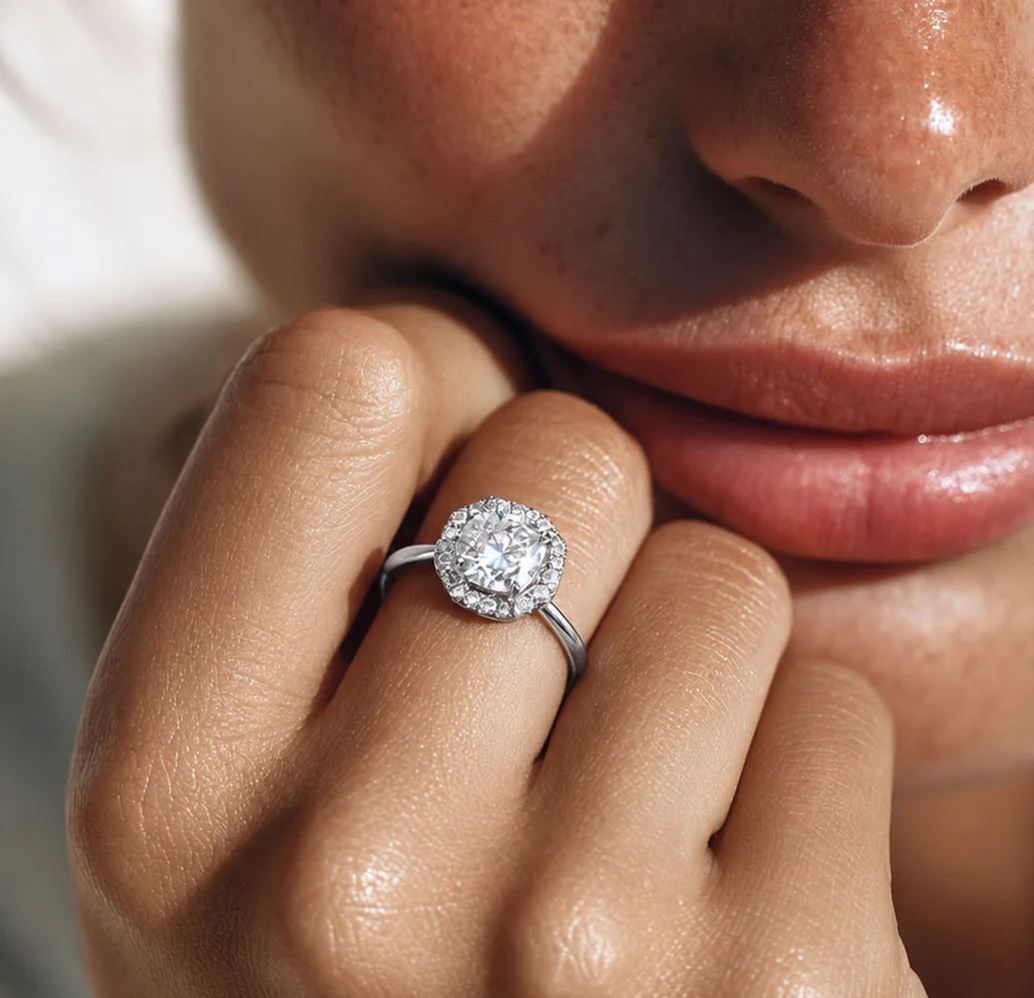
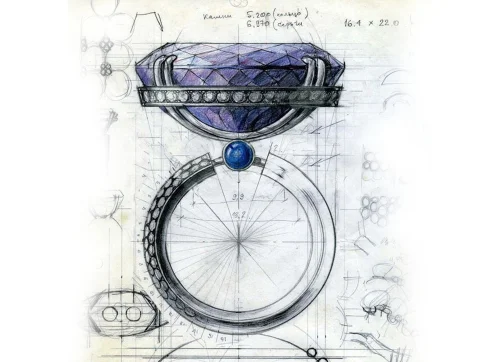
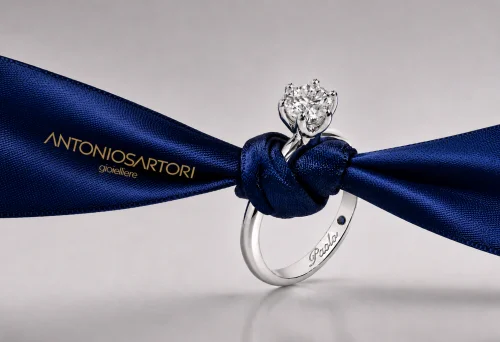
Mistake No. 4: Falling in love with the setting and forgetting the diamond. This is probably one of the most common mistakes people make when buying an engagement ring. Many fall in love with a particular setting. They admire the design, the craftsmanship, the details, and the overall style of the ring. All of these things matter, but they are not the most important part. The setting can always be changed in the future. Tastes evolve. Fashion changes. People change. A ring purchased today can easily be redesigned ten, twenty, or thirty years from now. The diamond, however, remains the same. It is the part destined to travel through time. As the hardest natural substance on Earth, it perfectly symbolizes enduring and authentic Love. When choosing an engagement ring, the true heart of the purchase is not the setting. It is the diamond. It is no coincidence that, even today, around ninety percent of engagement rings chosen around the world belong to one timeless classic: the white gold solitaire with a six-prong setting. Simple. Elegant. Timeless. Designed to showcase one single protagonist: the diamond. When a design achieves perfection, it no longer needs to be reinvented. That is why the solitaire continues to be the favourite choice of generations of women.
Mistake No. 5: Buying without thinking about the person who will wear it. This mistake concerns engagement rings more than anything else. Many men search for the ring that they personally like. Instead, they should search for the ring that reflects the woman who will wear it. The true protagonist is not the jewel. It is the woman. Every woman has her own personality and style. Some love understated elegance. Others prefer classic sophistication. Some are drawn to contemporary design, while others appreciate bold presence or refined simplicity. The perfect ring is the one that tells her story. Fortunately, women rarely hide their preferences completely. The clues are usually there: a photograph saved on her phone, a ring she paused to admire in a boutique window, or a seemingly casual comment made while looking through a magazine or social media. And when those clues are not enough, sisters, close friends, and family members often become invaluable allies. The best choice always begins with careful observation and genuine listening.
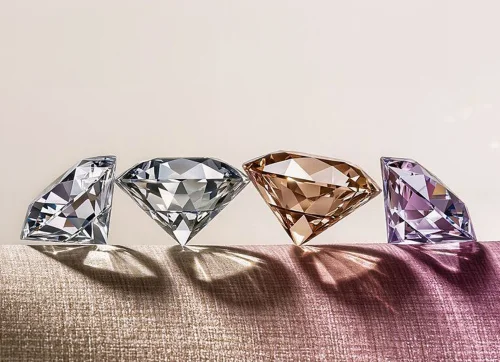
One more mistake deserves special mention. There is another mistake that rarely appears on these lists: rushing. We live in an age where everything is expected immediately. One click. One delivery. One quick decision. But an important diamond should never be chosen that way. It deserves time. It deserves comparison. It deserves thoughtful consideration. Looking at different diamonds, comparing them side by side, understanding their differences, and appreciating their unique characteristics is an essential part of the experience. Very often, the best decisions come from having the opportunity to see and compare.
A diamond is far more than a purchase. In the end, a diamond's value does not lie solely in its technical characteristics. Colour, clarity, cut, and carat weight are all important, but they do not fully explain why this extraordinary gemstone has fascinated humanity for centuries. A diamond represents something greater. A promise. A memory. An emotion. A defining moment in someone's Life. That is why choosing a diamond is about much more than making a purchase. It is about choosing a symbol that will accompany a personal story. Fashions will come and go. Preferences will change. Settings may be redesigned. But the diamond will remain exactly as it was on the day it was chosen. And perhaps that is its most extraordinary quality of all. In a world that never stops changing, a diamond reminds us that some things are meant to last forever.


We and selected third parties use cookies or similar technologies for technical purposes and, with your consent,
also for other purposes as specified in the .
If you close this banner with a tick or click on "Decline", only technical cookies will be used. If you want to select the
cookies to be installed, click on 'Customise'. If you prefer, you can consent to the use of all cookies, including
cookies other than technical cookies, by clicking on "Accept all". You can change your choice at any time.